
Ghana is steadily becoming one of Africa’s most promising markets for renewable energy, and solar power is leading the transformation. With abundant sunshine throughout the year, rising electricity demand, and increasing concerns about climate change, solar energy presents a practical and sustainable solution for the country’s energy future.
Lorem ipsum dolor sit amet, consetetur sadipscing elitr, sed diam nonumy eirmod tempor invidunt ut labore et dolore magna aliquyam erat, sed diam voluptua.
Marilyn Gilbert
Why Solar Energy Matters in Ghana
Ghana receives an average of 4–6 kilowatt-hours of solar radiation per square meter daily, making it an ideal location for solar power generation. Unlike fossil fuels, solar energy is clean, renewable, and environmentally friendly. As electricity consumption continues to grow due to urbanization and industrialization, the country faces the challenge of providing reliable and affordable power to its citizens.Frequent power shortages in the past, popularly known as “dumsor,” exposed the vulnerabilities of relying heavily on hydroelectric and thermal power sources. Solar energy offers an alternative that can reduce dependence on imported fuel and stabilize the national grid.
Benefits of Solar Energy in Ghana
1. Reducing Electricity Costs
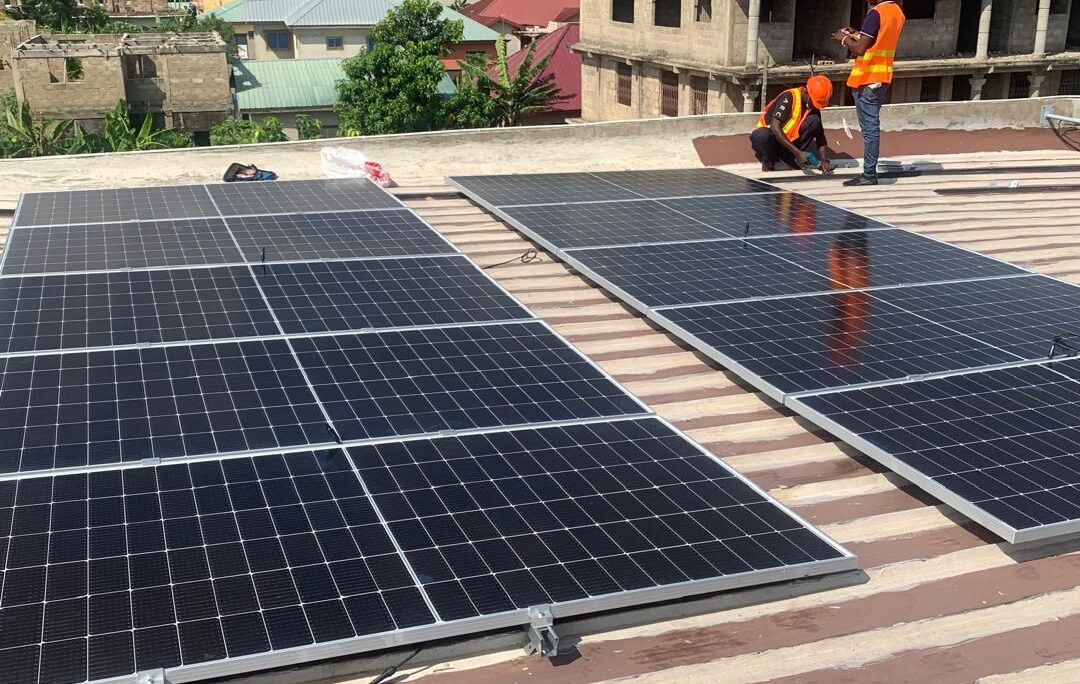
Installing solar panels can significantly lower electricity bills for homes and businesses. Although the initial installation cost may seem high, the long-term savings make solar systems economically beneficial. Many businesses in Ghana are now adopting rooftop solar systems to cut operational expenses.
2. Improving Rural Electrification
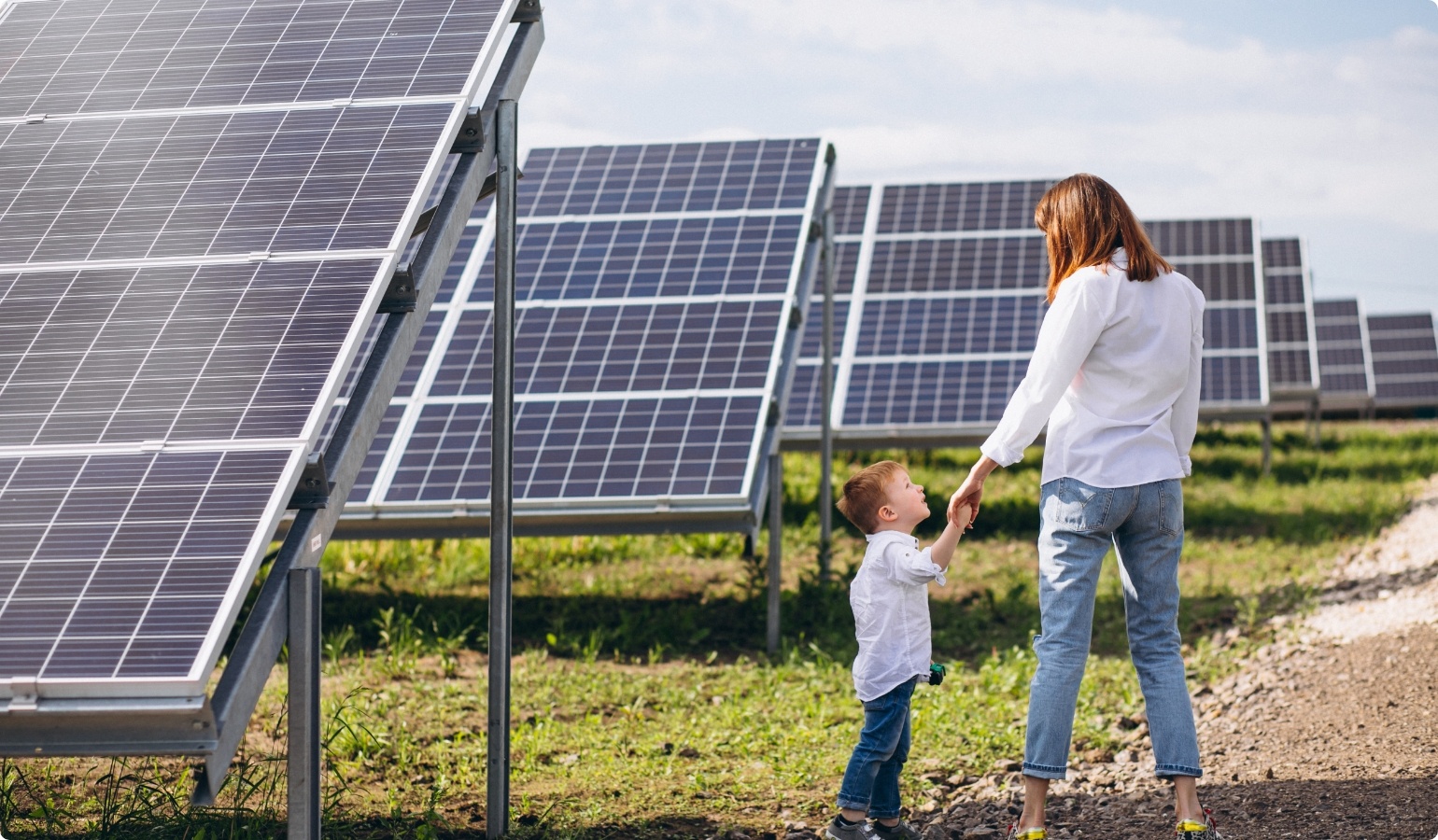
Many rural communities in Ghana still lack reliable access to electricity. Extending the national grid to remote villages is often expensive and difficult. Solar mini-grids and standalone solar systems provide a cost-effective way to supply electricity to these areas, improving education, healthcare, and economic activities.
3. Creating Jobs and Economic Opportunities
The solar industry creates employment opportunities in installation, maintenance, sales, and manufacturing. Young entrepreneurs and technicians are increasingly entering the renewable energy sector, contributing to economic growth and innovation.
4. Protecting the Environment
Solar energy produces little to no greenhouse gas emissions. By investing in solar power, Ghana can reduce air pollution and contribute to global efforts to combat climate change.
Challenges Facing Solar Energy Adoption
Despite its advantages, solar energy in Ghana still faces several obstacles:
- High upfront installation costs
- Limited public awareness about solar technology
- Inadequate financing options for consumers
- Lack of local manufacturing capacity
- Maintenance and technical support challenges in some areas
To overcome these barriers, stronger government incentives, public-private partnerships, and educational campaigns are needed.
Government Efforts and Policies
The Government of Ghana has introduced policies to encourage renewable energy development. The Renewable Energy Act and various tax incentives have helped attract investment into the solar sector. Additionally, institutions and international organizations are supporting solar projects across the country.
Several large-scale solar farms have already been established, helping diversify Ghana’s energy mix and reduce pressure on traditional power sources.
The Future of Solar Energy in Ghana
The future of solar energy in Ghana looks bright. As technology becomes cheaper and more accessible, more households and businesses are expected to adopt solar systems. Advances in battery storage technology will also improve energy reliability, allowing users to store electricity for nighttime use.
With continued investment and policy support, Ghana has the potential to become a regional leader in renewable energy. Solar power can help the country achieve energy security, create jobs, and build a cleaner environment for future generations.
Conclusion
Solar energy is no longer just an alternative source of power in Ghana — it is becoming an essential part of the country’s development strategy. By harnessing the sun’s abundant energy, Ghana can address electricity challenges, support economic growth, and protect the environment at the same time.
As awareness grows and technology improves, solar energy could play a major role in shaping a sustainable and prosperous future for Ghana.